Pigeons don’t start as a problem. They begin as a few birds on a roofline, a ledge, or near a vent opening. Then they settle in, and once they do, they don’t leave.

Why Pigeons Choose Your Property
Pigeons look for protected, elevated spaces to nest. In the wild it’s cliffs. In our environment, it’s attics, soffits, rooflines, and structural cavities. Once they gain access, they build nests, lay eggs, return repeatedly, and expand their presence over time. Wildlife and pest control companies can remove the birds and block entry points, but that’s only half the solution.
The Part Most People Don’t See
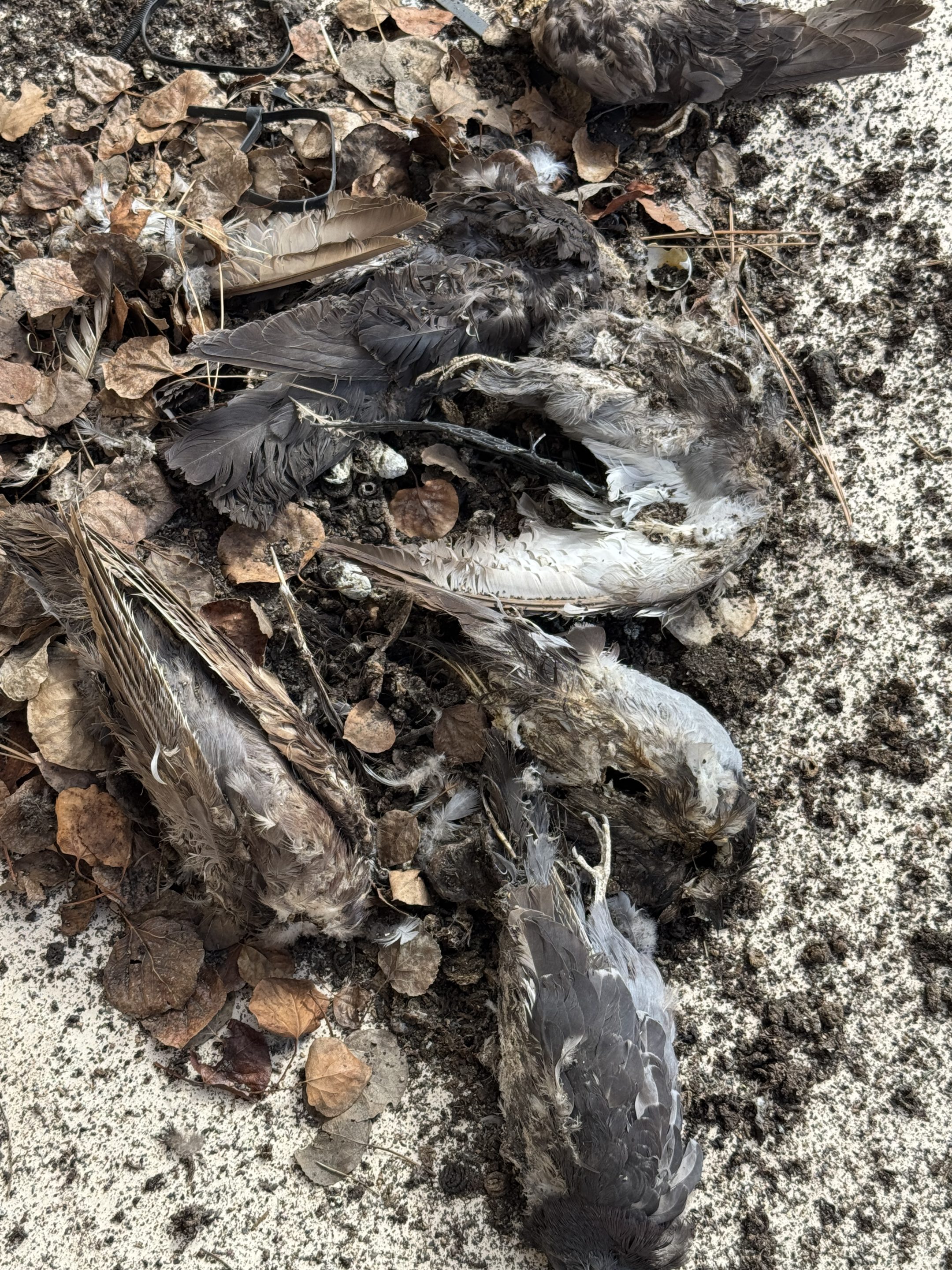
After the birds are gone, what’s left behind is the real issue. We routinely find thick layers of droppings, nesting materials embedded in insulation, dead birds in hidden cavities, parasites left behind, and fine dust contamination spreading into living spaces. This isn’t just dirty. It’s contamination.
The Health Risk Isn’t the Birds — It’s the Aftermath
A single pigeon can defecate dozens of times a day. Over time, that buildup dries, breaks down, and becomes airborne. That’s where the problem escalates. The real risk comes from inhalation of contaminated dust, bacterial and fungal exposure, and compromised indoor air quality. It’s not the pile you see. It’s what you don’t see moving through the air.
Removal vs. Cleanup — Know the Difference
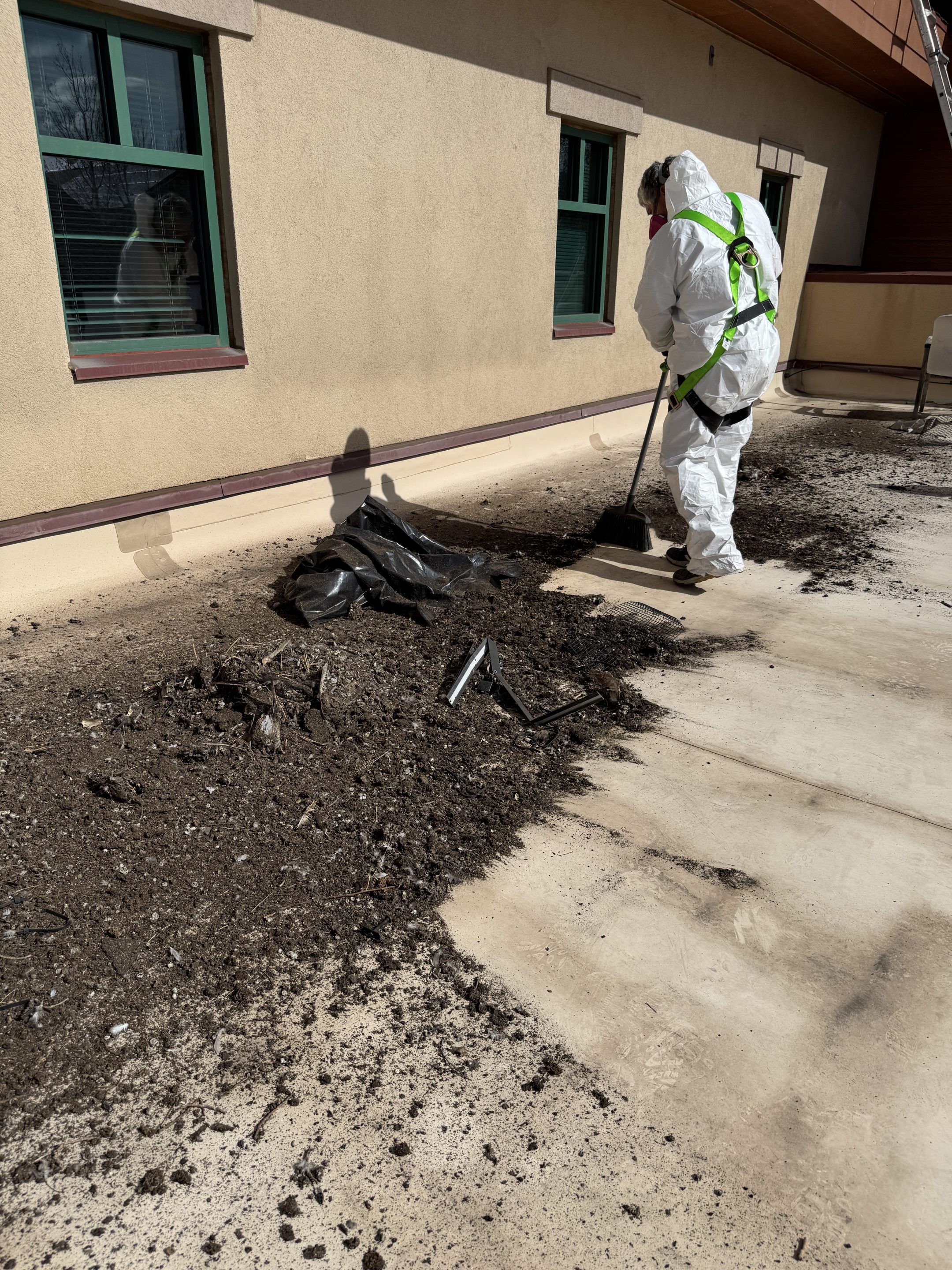
This is where many property owners get caught off guard. Wildlife professionals remove the birds and secure the structure. We handle the contamination they leave behind. If cleanup isn’t done properly, odors remain, air quality stays compromised, and the space is not truly safe or clean. Removing the birds solves the symptom. Cleaning the contamination solves the problem.
What Proper Pigeon Cleanup Actually Involves
This isn’t a wipe-and-go situation. It’s a controlled remediation process that includes inspection of all affected areas, accessing hidden cavities when necessary, safe removal of droppings and contaminated materials, detailed cleaning with HEPA vacuuming, professional-grade disinfection, and continuous air filtration to control airborne particles. The process finishes only when the space is clean, stable, and safe for use again. Skip steps, and you’re just moving contamination around.
Prevention Is What Actually Solves It
Once cleanup is complete, prevention becomes critical. This includes sealing vents and entry points, reinforcing vulnerable areas, coordinating with wildlife professionals when needed, and ongoing inspections. Pigeons don’t leave because they feel unwelcome. They leave because they no longer have access.
For Businesses — This Is Also About Perception
Customers notice droppings near entrances, birds nesting above signage, and odors around walkways. It shapes perception immediately. Clean spaces signal care and professionalism. Contaminated spaces signal neglect.
Final Thought
Pigeons are persistent, but the real damage comes from what they leave behind. What starts as a minor nuisance can quickly turn into a contaminated environment, and once it gets there, it doesn’t fix itself.
Call to Action
If pigeons have been removed—or you suspect activity in your attic or building—don’t stop halfway.
SteamMaster Restoration and Cleaning
Serving the Central Colorado Rockies
970.827.5555
info@steammaster.com
www.steammaster.com


